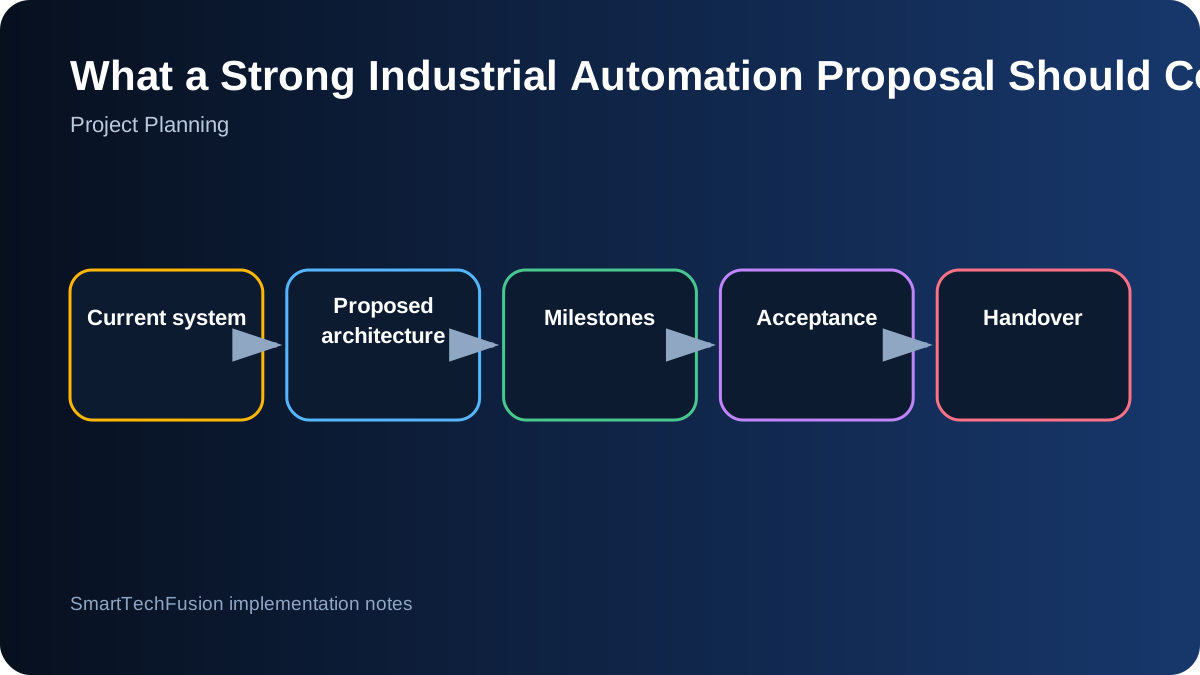
State the operational outcome first
A proposal should explain what changes for the operator or business: remote visibility, reliable logging, a validated device interface, reduced manual entry, or a controlled migration. Technology belongs underneath that outcome. A list of tools without an operating result is difficult to approve and difficult to test.
Define the boundary of responsibility. If the PLC remains the sole controller, say so. If the client supplies cloud accounts, hardware, field installation, or payment credentials, state it. Clear boundaries prevent later disagreement about work that was never included.
Describe the existing system and evidence
Record known equipment models, firmware, network addresses, drawings, manuals, source availability, access method, and current behavior. Mark uncertain information as an assumption that must be verified. Do not design a final interface around a screenshot when the register map or protocol is still unknown.
List the client inputs required to start: hardware access, test data, credentials, vehicle list, branding, user roles, sample files, or a responsible technical contact. Put dependencies beside the milestone they affect so delays are visible early.
Provide a system architecture at the right level
Show devices, controllers, gateways, servers, user interfaces, databases, and external services. Label protocols and trust boundaries. The diagram should explain data and control direction without pretending that every internal class or function is already designed.
Highlight safety and control ownership. In an industrial system, remote software should not bypass a PLC interlock. In a payment workflow, the application should not claim settlement without a verified gateway callback. Architecture is where these responsibilities become visible.
Build milestones around usable outputs
A milestone should produce something that can be reviewed: architecture and design freeze, schematic and PCB files, a communicating firmware build, a working dashboard, a migrated rehearsal database, or a controlled end-to-end test. Avoid milestones described only as hours or general effort.
For each milestone, list inputs, deliverables, review method, and acceptance condition. Keep the number of milestones manageable. A project with too many small payment points creates administration without improving technical control.
Write acceptance tests before implementation
Acceptance tests should use observable scenarios. Examples: read a documented Modbus register, detect and count a vehicle crossing in each direction, generate a signed QR card and prevent duplicate deduction, restore a service after reboot, or confirm that an alarm is acknowledged and cleared.
Include negative and recovery cases where they are central to reliability. State test environment and tolerances. A prototype accuracy target should specify the camera view and reference set; a battery target should specify the operating cycle; a range target should specify terrain and antenna conditions.
Make assumptions, exclusions, and third-party costs explicit
Separate engineering labor from hardware, shipping, subscriptions, SIM charges, message providers, app-store accounts, cloud usage, certificates, and merchant fees. State who purchases and owns them. Avoid buying uncertain hardware from personal funds without a written procurement agreement.
Identify third-party approval dependencies such as WhatsApp templates, payment merchant onboarding, domain DNS, or cloud access. The proposal can include integration work without guaranteeing a provider’s approval or network coverage.
Include security, documentation, and commissioning
Specify credential handling, least-privilege access, source control, backups, logging, and remote-access removal. These items should not be left for an informal final step. Public deployment needs HTTPS and tested access controls before outbound webhooks or live credentials are enabled.
Deliver source, configuration templates, diagrams, BOM, installation instructions, test evidence, user guide, and recovery steps appropriate to the project. Final commissioning should follow a checklist and end with an agreed handover of accounts, files, and known limitations.